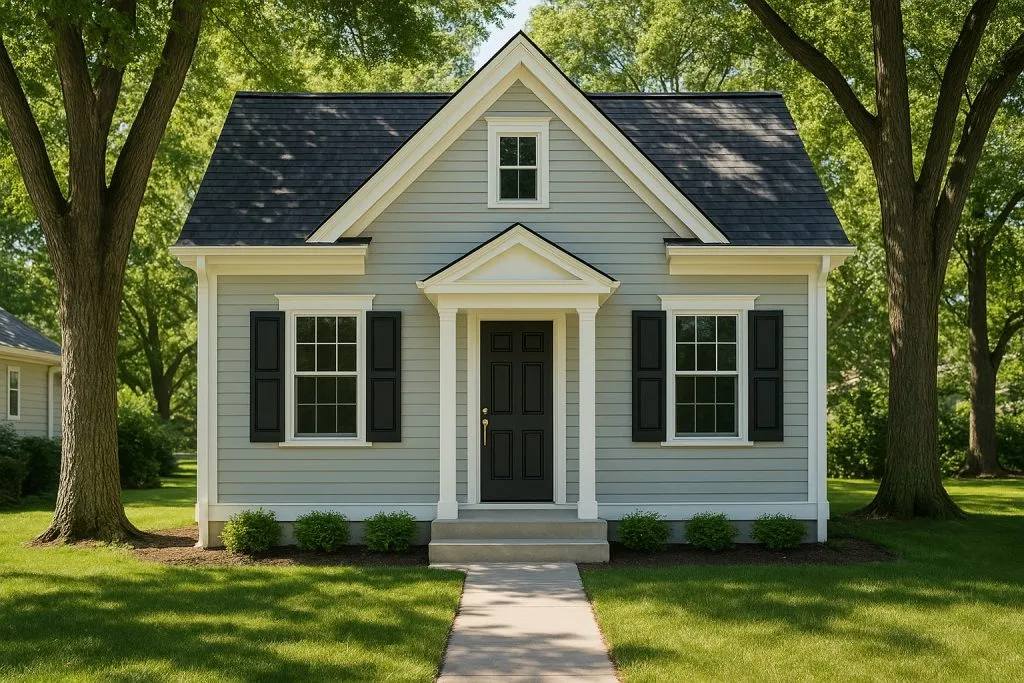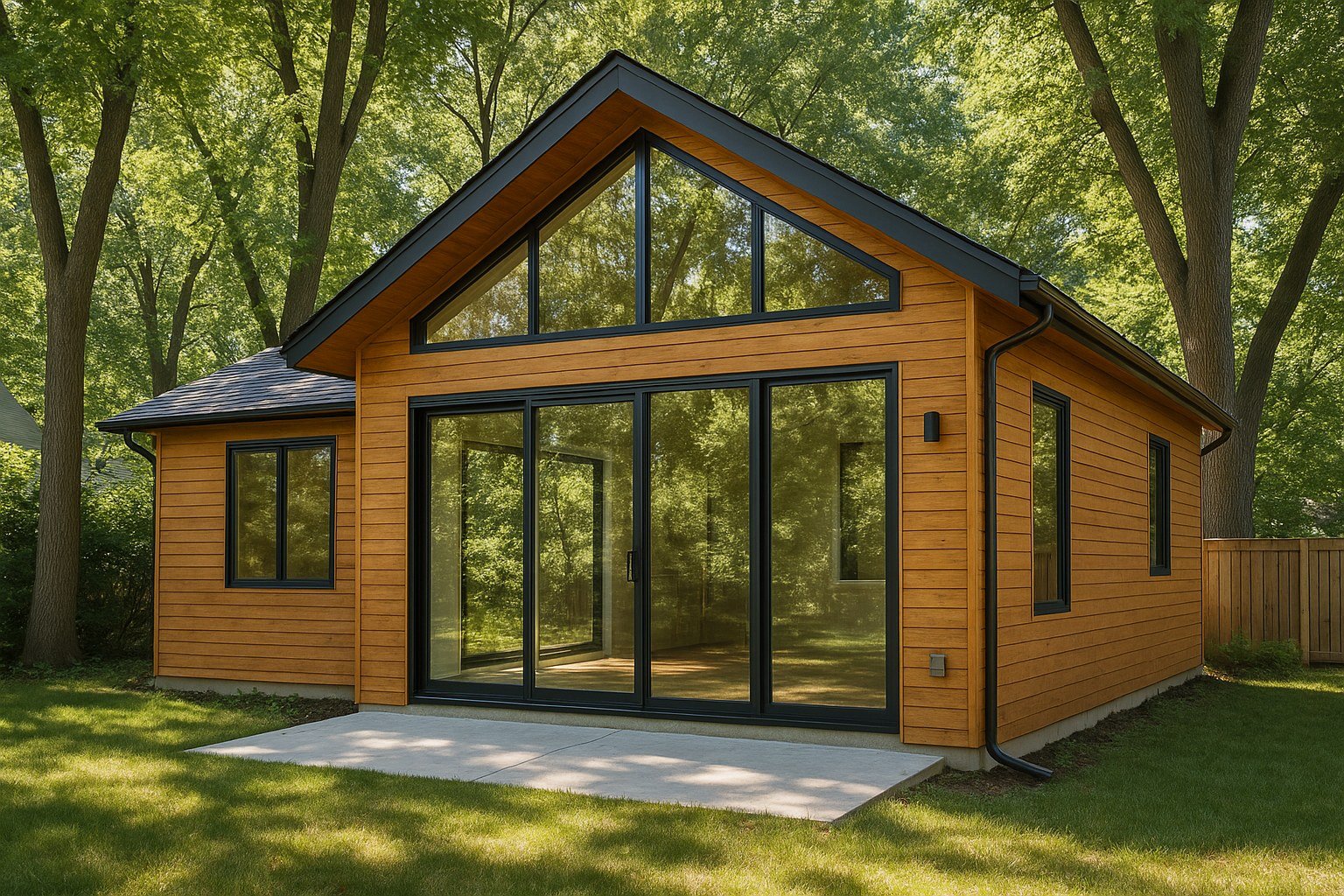
If you are dreaming of a backyard cottage for your parents, a rental unit, or a private space for a grown child, one question comes up first: how big can an ADU be in Iowa? The good news is that Iowa’s rules are more generous than many homeowners expect, and knowing the size limits early makes the whole planning process smoother.
Below is a clear, snippet-friendly answer, plus the details that actually affect your project.
How big can an ADU be in Iowa? The short answer
Under Iowa’s SF 592 (2025), clarified by its follow-up SF 2369 (effective July 1, 2026), an accessory dwelling unit can be up to 1,000 square feet, or 50% of the primary home’s size, whichever is larger. Setback requirements still apply.
So how big can an ADU be in Iowa in plain terms? If your main house is 1,600 square feet, half of that is 800 square feet, but you may still build up to the 1,000 square foot floor because the law lets you use whichever number is larger. If your primary home is a spacious 2,400 square feet, 50% equals 1,200 square feet, so you could build larger than 1,000. The rule is written to protect homeowners with smaller houses.
How the size is actually measured
The size math matters, and SF 2369 spells it out so cities apply it consistently across Iowa:
- Unfinished basements are excluded from the ADU’s size calculation. A finished walk-out basement counts; a raw storage basement does not.
- The primary home’s size is measured as gross living area, excluding garages, decks, and unheated porches.
That second point is important when you are doing the 50% math. A 2,000 square foot house with a large attached garage might have far less than 2,000 square feet of actual living area, so run the numbers on heated, finished space only.
Setbacks: the real limit for many yards
Square footage is only half the story. Even though ADUs are allowed by right across Iowa, setback requirements still apply. Setbacks are the minimum distances your structure must sit from property lines, and they vary by community and lot.
On a narrow city lot, setbacks (not the 1,000 square foot cap) are often what determines the largest ADU you can fit. That is why a two-story design can be so valuable: you keep the footprint small to satisfy setbacks while gaining the living space you want on a second level.
What different sizes feel like to live in
Numbers on paper are hard to picture, so here is what the range looks like in real life:
- Around 475 to 600 sq ft: a comfortable studio or one-bedroom, great for a single parent, a guest suite, or a rental.
- Around 600 to 800 sq ft: a true one-bedroom with a full kitchen, laundry, and a living room that does not feel cramped.
- Up to 1,000 sq ft: room for two bedrooms, ideal for a couple aging in place or a small family.
Our floor plans span a 475 square foot Studio+ up to an 816 square foot two-bedroom, all designed to feel like a real home rather than a tight apartment. You can browse layouts and dimensions on our floor plans page to see how the space is used.
Bigger is not always better
Because Iowa allows up to 1,000 square feet, some homeowners assume they should build the maximum. Not necessarily. A larger ADU costs more, takes longer, and may exceed what your intended use actually needs. A parent who is downsizing often prefers a cozy, low-maintenance 600 square foot home over a larger space to clean and heat. Match the size to the purpose, then the budget, then the lot.
For deeper reading on how ADU sizing and design work nationally, the nonprofit resource AccessoryDwellings.org offers helpful background that complements Iowa’s rules.
How we help you size it right
Figuring out how big can an ADU be in Iowa on your specific property involves your home’s living area, your lot’s setbacks, and your goals for the space. That is exactly the kind of legwork we take off your plate. We measure, run the size and setback numbers, and recommend a plan that fits.
Ready to see what fits your yard? Book a free, no-pressure consultation and we will walk through your property together.
Frequently asked questions
How big can an ADU be in Iowa if my house is small?
You can still build up to 1,000 square feet. The law allows the larger of 1,000 square feet or 50% of your primary home, so smaller homes are not penalized.
Do garages count toward the size limit?
Your primary home’s size is measured as gross living area, which excludes garages, decks, and unheated porches. Unfinished basements are also excluded from the ADU’s size.
Can setbacks stop me from building the maximum size?
Yes. ADUs are allowed by right in Iowa, but setback requirements still apply, and on tighter lots setbacks often determine the largest unit you can fit before the square footage cap does.
Does a two-story ADU help on a small lot?
Often, yes. Building up rather than out keeps your footprint within the setbacks while giving you more finished living space.
When you know how big can an ADU be in Iowa and how the measurements work, planning gets a lot less stressful. Let us handle the details so you can focus on who will call it home.