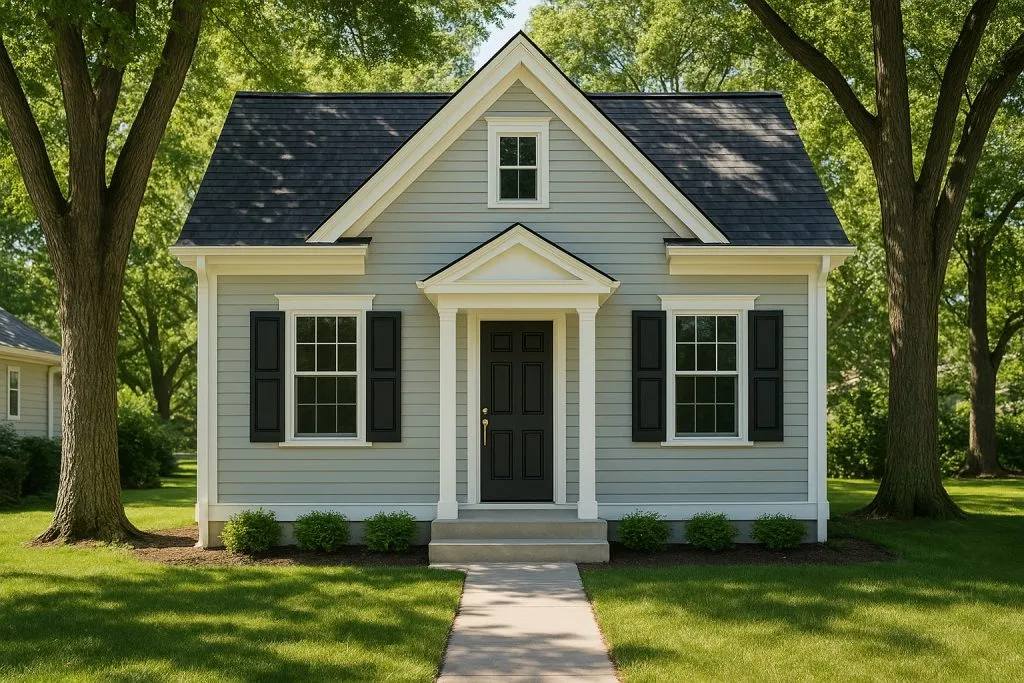
If you are weighing a backyard cottage as a money-maker, the first question is almost always the same: how much can you rent an ADU for? It is a smart question, and the honest answer is that it depends on a handful of factors you actually control. Below we break down what a realistic monthly rent looks like in Iowa and the seven levers that move that number up or down.
How much can you rent an ADU for in Iowa?
Rent for an accessory dwelling unit tracks closely with comparable small apartments in your area, and that is good news. A well-built ADU is not a basement room or a converted garage corner; it is a private, standalone home with its own kitchen, bathroom, and entrance. That privacy commands real rent. So how much can you rent an ADU for? Across Iowa, a thoughtfully finished unit typically rents in a range similar to a one- or two-bedroom apartment nearby, and often at the higher end of that range because tenants value the quiet, the yard, and the detached feel.
Rather than chase a single number, look at what a one-bedroom rents for within a few miles of your property, then adjust up or down based on the factors below. That comparison, not a national average, is the most reliable way to answer how much can you rent an ADU for on your specific lot.
7 factors that drive your ADU rent
- Size and layout. Our floor plans run from a 475 sq ft Studio+ to an 816 sq ft two-bedroom. More square footage and a second bedroom widen your tenant pool (couples, small families, roommates) and raise the rent you can ask.
- Location within Iowa. Proximity to jobs, hospitals, campuses, and downtown areas pushes rent higher. A unit near strong demand rents faster and for more than one in a rural stretch.
- Finishes and design. Quartz counters, full-size appliances, in-unit laundry, and good natural light justify premium rent. Renters pay for a place that feels like a real home, not a stopgap.
- Furnished vs. unfurnished. A furnished ADU aimed at traveling nurses or short stays can earn more per month, though it comes with more turnover and management.
- Parking and privacy. A dedicated parking spot and a separate entrance are quiet rent-boosters that tenants notice immediately.
- Utilities and amenities. Whether utilities are included, plus extras like a small patio, storage, or energy-efficient systems that lower bills, all shape what someone will pay.
- Local rental demand. Vacancy rates and seasonal patterns matter. Tight markets let you set rent confidently; softer ones reward flexibility.
When you stack these together, you can see why two ADUs of the same size can rent for meaningfully different amounts. The question of how much can you rent an ADU for is really a question about how well the unit fits its market.
Building an income estimate you can trust
Start by pulling three or four active listings for small units near you and note their rent, size, and features. Then be honest about how your planned ADU compares. A new, detached, well-finished unit usually beats an older apartment on comfort, so it can command the top of that range. Subtract realistic operating costs (insurance, maintenance reserve, any included utilities, and vacancy) to land on net income. That net figure is what actually pays down your investment.
For a broader view of how ADUs perform as rental assets and why demand keeps climbing, the U.S. Department of Housing and Urban Development publishes research on rental housing trends and long-term value. It is a useful reality check when you are estimating demand and how your unit fits the wider market.
Curious how the numbers pencil out for financing? The monthly rent an ADU generates often offsets a large share of the payment, which is why so many Iowa homeowners treat these units as an investment rather than an expense. You can review typical build costs on our pricing page and see how a rental unit could fit your budget on our financing page.
Turning your rent estimate into a plan
Once you know roughly how much you can rent an ADU for, the next step is designing a unit that actually earns it. That means choosing a layout tenants want, specifying finishes that hold up and photograph well, and siting the unit for privacy and parking. We handle design, permitting, and construction so you can focus on the outcome, not the paperwork. Ready to see what your property could earn? Book a free, no-pressure consultation and we will talk through your lot and your goals.
The bottom line: how much can you rent an ADU for comes down to size, location, and finish quality, and all three are decisions you make before the first wall goes up. Get those right and your ADU can become one of the most dependable income streams on your property.
How much can you rent an ADU for compared to a regular apartment?
Usually at or above a comparable one- or two-bedroom apartment nearby, because tenants pay a premium for a private, detached home with its own entrance and yard.
Does a bigger ADU always rent for more?
More space and a second bedroom generally raise rent and broaden your tenant pool, but finishes, location, and privacy can matter just as much as square footage.
Should I furnish my ADU to earn more?
A furnished unit can command higher monthly rent, especially for short or mid-term tenants like traveling professionals, though it involves more turnover and hands-on management.
How do I estimate rent for my specific Iowa property?
Compare active listings for small units within a few miles, adjust for your ADU’s size and finishes, then subtract operating costs and vacancy to find your realistic net income.