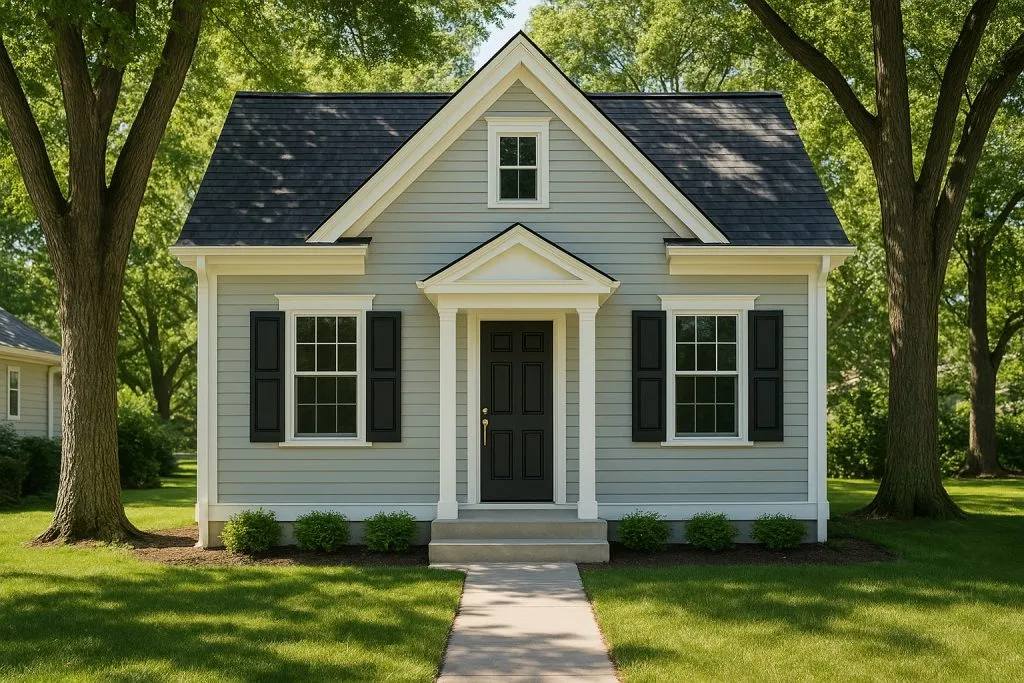
If you have been wondering how to build an ADU on your property, you are not alone. Iowa homeowners are adding accessory dwelling units to house aging parents, welcome adult kids, earn rental income, or simply add flexible space and value. The good news: learning how to build an ADU is far less overwhelming than it looks once you break it into clear stages. Here is the plain-English roadmap from first idea to move-in day.
How to build an ADU: the big picture
An ADU is a fully independent small home with its own kitchen, bathroom, and entrance, built on the same lot as your main house. When people ask how to build an ADU, they usually imagine years of stress and red tape. In reality the process follows a predictable path, and a good design-build partner handles most of the heavy lifting for you. Think of it in five stages: clarify your goal, design the home, secure permits, arrange financing, and build.
Step 1: Get clear on your goal and site
Before anything else, decide what the ADU needs to do. A private suite for a parent, a rental for extra monthly income, or a home office and guest space all point toward different layouts and sizes. Then look at your lot. Where would the unit sit? How does it connect to water, sewer, and power? Setback rules still apply in Iowa, so the placement matters. You do not need every answer up front, but a rough goal makes the rest of the process smoother.
Step 2: Choose a design and floor plan
This is the fun part of learning how to build an ADU. Iowa ADUs commonly range from a compact 475 square foot studio to an 816 square foot two-bedroom, and the right choice depends on who will live there and your budget. Browse layouts on our floor plans page to picture how the space flows. A few things to weigh:
- Single-level living if aging parents or accessibility are the goal
- An open kitchen and living area to make a small footprint feel roomy
- Storage, laundry, and a private entrance for a comfortable rental
- Window placement and light, which change how large the home feels
Good design solves problems early, before a single board is cut.
Step 3: Handle permits and zoning
Permitting is the step people fear most, but Iowa recently made it much friendlier. Iowa’s SF 592, clarified by SF 2369 (2026), allows ADUs by right in every city and county, so you no longer have to fight for the basic right to build one. Setback requirements still apply, and historic districts have their own review, but the path is clearer than ever. You can read the actual statutes at the Iowa Legislature website.
In practice, permit approval typically runs from about three days to two weeks depending on your city, and permit fees range from a few hundred up to a couple thousand dollars. When you work with us, we prepare and submit the paperwork so you are not deciphering code books at your kitchen table.
Step 4: Line up financing
Once you know the design and rough cost, it is time to figure out how to pay for it. Iowa homeowners fund ADUs in several ways, and understanding how to build an ADU responsibly means matching the loan to your situation:
- A home equity loan or HELOC that taps existing equity
- A renovation or construction loan sized to the project
- Cash savings, or a blend of savings and financing
- Projected rental income that helps offset monthly payments
Our financing page walks through the options in plain terms, and it helps to see how much value an ADU can add over time. Curious about the numbers? We are happy to talk through them. Book a free consultation and we will map out a realistic budget together.
Step 5: Build and move in
With design approved, permits in hand, and financing set, construction begins. This is where knowing how to build an ADU really pays off, because a coordinated build keeps surprises to a minimum. A typical sequence looks like this:
- Site prep, foundation, and utility connections
- Framing, roofing, and weatherproofing the shell
- Rough-in of plumbing, electrical, and HVAC
- Insulation, drywall, flooring, and finishes
- Fixtures, appliances, final inspection, and cleanup
Then comes the best day: your parent, tenant, or family member moves in. Because we manage the whole build, you get regular updates instead of a pile of subcontractor phone calls.
Why a design-build partner makes it simpler
You can technically manage each stage yourself, but coordinating designers, city offices, lenders, and trades is a part-time job. As a full-service ADU company serving homeowners across Iowa, we connect every step so nothing falls through the cracks. That is the real secret to how to build an ADU without the stress: one team, one plan, one point of contact from idea to move-in.
Frequently asked questions
How long does it take to build an ADU in Iowa?
From design through move-in, most projects take several months. Permitting alone is usually quick, often three days to two weeks, so the bulk of the timeline is design and construction.
Do I need a special lot to build an ADU?
Most standard residential lots work. Setbacks, utility access, and your city’s rules affect placement and size, which is why a site review early in the process is so valuable.
Can I rent out my ADU?
Yes. Many Iowa homeowners build an ADU specifically for rental income, and that income can help cover financing payments over time.
What is the first thing I should do?
Get clear on your goal, then talk with a builder who can review your property. A short conversation quickly tells you what is possible on your lot.