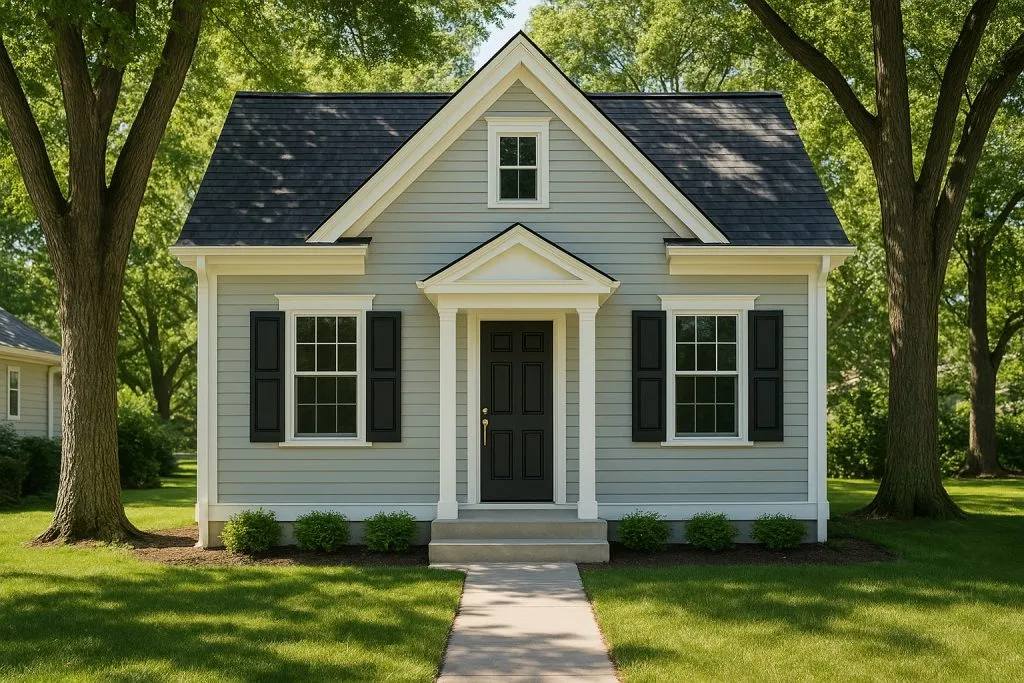
Putting your Iowa property on the market is a big moment, and if you have an extra unit on the lot, you may be wondering how it changes the picture. The good news is that selling a home with an ADU often opens doors that a standard single-family listing never could. Done right, that little second home becomes one of your strongest selling points.
This post is not about renting for income (that is a different conversation). It is about the day you decide to sell, and how an accessory dwelling unit shapes buyer appeal, the appraisal, and the way your agent markets the property. Here are seven smart wins to keep in mind.
Why selling a home with an ADU widens your buyer pool
The first advantage of selling a home with an ADU is the sheer variety of buyers it attracts. A traditional listing appeals to one kind of household. A property with a flexible second unit speaks to several at once.
- Families who want space for aging parents nearby but not underfoot.
- Multigenerational households pooling resources under one deed.
- Buyers who plan to work from a quiet, separate home office or studio.
- Homeowners who like the idea of future rental flexibility without committing to it now.
When more types of buyers can picture themselves living there, you tend to see more showings, more interest, and stronger offers. That breadth is the quiet engine behind selling a home with an ADU successfully.
How an ADU affects the appraisal
Appraisers value what they can measure and compare. A well-built ADU adds finished, permitted living space, and that generally supports a higher appraised value than the main house alone. The key word is permitted. An unpermitted or clearly DIY structure can actually raise questions and drag on the process.
To help the appraisal go smoothly when selling a home with an ADU, gather your paperwork in advance:
- The building permit and final inspection sign-off.
- Floor plans showing finished square footage.
- Records of utilities, HVAC, and any separate metering.
- Warranties or documentation on major systems.
Appraisers may look for comparable sales, and ADUs are still newer in many Iowa markets, so give your appraiser context. A short summary of what the unit includes, its size, and its finishes helps them value it fairly. For a broader look at how ADUs function within the housing market, the research library at AccessoryDwellings.org is a helpful, neutral resource.
Marketing the extra unit the right way
Marketing is where selling a home with an ADU really pays off, because you are not selling one home, you are selling possibility. Work with your agent to feature the unit as a headline benefit, not a footnote.
- Give it its own photo set. Buyers want to see the ADU inside and out, just like the main house. Golden-hour exterior shots and bright interior images make it feel like the real home it is.
- Name the use cases. “In-law suite,” “guest house,” “private home office,” and “flexible second living space” all help buyers imagine their own life there.
- List the specs. Square footage, bedrooms, kitchen, bath, and separate entrance belong right in the description.
- Tell the story. A sentence about why the space was built (to keep family close, to add flexibility) gives it warmth.
Quality matters here more than almost anything. A polished, home-like ADU photographs beautifully and reassures buyers it was built to last. If you are still in the building stage and thinking ahead to resale, choosing a professionally built unit with true residential proportions makes all the difference when buyers walk through.
Pricing and positioning your listing
An ADU can justify a higher list price, but the number should reflect the unit’s quality, size, and permit status, not just its existence. Overpricing based on a rough structure backfires. Underpricing a well-finished unit leaves money on the table. This is a conversation to have early with an agent who understands your local market and, ideally, has sold ADU properties before.
If you are weighing whether to build now with resale in mind, our floor plans range from a compact studio to a two-bedroom layout, and different sizes appeal to different future buyers. Choosing a versatile plan today can pay off when you list tomorrow.
A few practical cautions
Selling a home with an ADU is smoother when you avoid a few common snags:
- Keep all permit and inspection documents organized and ready for buyers and appraisers.
- Make sure any lease agreements, if the unit was occupied, are clearly disclosed.
- Address deferred maintenance in the ADU before listing, just as you would in the main house.
- Confirm your listing accurately describes the unit so there are no surprises during due diligence.
Handled thoughtfully, that second home on your lot is a genuine asset that helps your property stand out in a crowded market.
Thinking about adding an ADU with future resale value in mind, or planning to sell one you already have? Let’s talk through your property in a free, no-pressure consultation and map out your best move.
Frequently asked questions
Does an ADU always increase my home’s sale price?
Usually it helps, especially when the unit is permitted, well finished, and marketed clearly. Value depends on quality, size, and local demand, so pricing should reflect those factors rather than the unit’s mere presence.
Do I need permits documented when selling a home with an ADU?
Yes. Buyers, lenders, and appraisers want proof the unit is permitted and inspected. Organized paperwork speeds up the sale and prevents last-minute renegotiation or delays.
Should I market the ADU separately from the main house?
Give it dedicated photos and a clear description within the same listing. Highlighting the unit’s uses and specs helps buyers see the full value of the property.
Can I sell if the ADU is currently rented?
Often yes, but disclose any active lease terms up front. Some buyers welcome a tenant in place, while others want the unit vacant, so clear communication keeps offers on track.