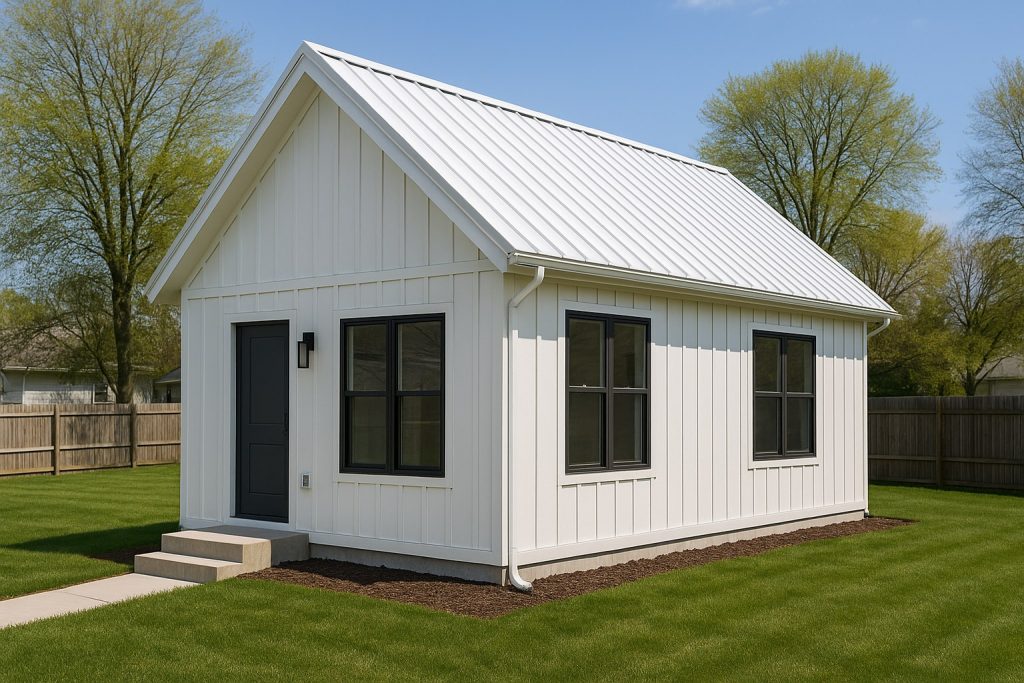
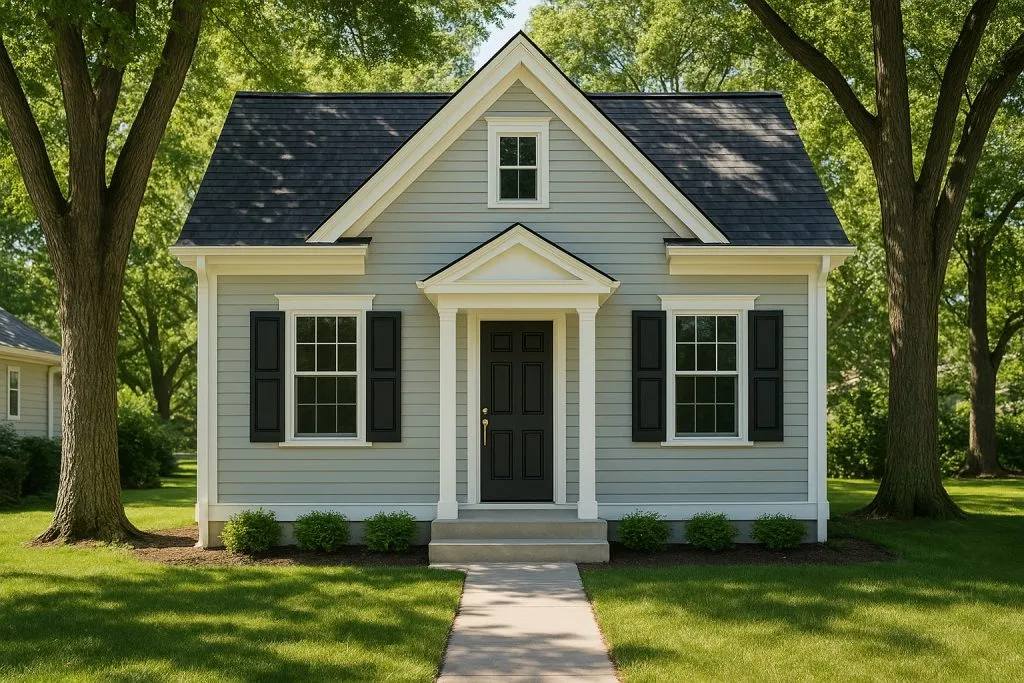
When Iowa homeowners start thinking about adding an accessory dwelling unit, one of the first honest worries that comes up is money. Not just the build cost, but what happens afterward. “Will an ADU increase my property taxes?” is one of the most common questions we hear, and it deserves a straight answer rather than a scare or a shrug. Below are the real questions homeowners ask, answered plainly. This is general information, not tax or legal advice, so always confirm the specifics with your county assessor.
So, will an ADU increase my property taxes at all?
In most cases, yes, adding an ADU will increase your property taxes to some degree. Here is why: property taxes in Iowa are based on your property’s assessed value, and adding a permanent, finished living space generally raises that assessed value. When you add square footage that includes a kitchen, bathroom, and living area, the assessor typically recognizes it as an improvement that makes the property worth more.
The key word is “some degree.” An ADU is not taxed like a second house at full value. It is an improvement to your existing parcel, so the increase reflects the added value of that structure, not a doubling of your bill. So when people ask will an ADU increase my property taxes, the honest answer is usually a modest, manageable increase rather than a dramatic one.
How does the assessor actually decide the new value?
County assessors look at what your property would sell for, and a permitted ADU adds measurable value. After construction and final permitting, the improvement is added to your property record. The assessor considers the size of the unit, the quality of construction and finishes, and how the addition affects the overall marketability of your property.
Because the increase is tied to added value, a well-built 475 to 816 square foot ADU changes your assessment differently than a small bump-out or an unfinished space. This is also why cutting corners on construction rarely pays off. A code-compliant, professionally built unit adds real value, and that value is what you keep if you ever sell.
How much more will I actually pay each year?
There is no single statewide number, and anyone who gives you an exact figure without seeing your property is guessing. Your annual increase depends on your local levy rate, your county’s assessment practices, and the value your specific ADU adds. Two homeowners with similar units in different counties can see different results.
A practical way to plan: once you have a sense of the added assessed value, you can estimate the yearly tax impact using your local levy rate, which your county publishes. Many homeowners find the increase is a fraction of what a comparable rental or mortgage payment would cost, which matters a lot if the ADU is generating rental income or housing a family member.
Does it matter if I rent the ADU out versus housing family?
For assessment purposes, the physical improvement is what gets valued, whether Grandma lives there or a tenant does. What changes is the tax picture around income. If you rent the unit, that rental income is taxable, but you may also be able to deduct related expenses and depreciation. If a family member lives there rent-free, there is no rental income to report.
This is where a conversation with a tax professional pays off, because how you use the ADU shapes your overall tax situation far more than the assessment bump itself. The U.S. Census Bureau’s housing data is a useful backdrop for understanding how added housing units affect property value across markets.
Will the higher taxes cancel out the financial benefit?
Almost never, and this is the part that reassures most homeowners. Yes, will an ADU increase my property taxes is a fair concern, but the added tax is typically small relative to what the unit provides. A rental ADU can generate monthly income that far exceeds the tax increase. A unit that houses aging parents can save the family thousands compared to assisted living. And in either case, your property’s overall value has gone up.
Think of the tax increase as a percentage of the value you gained, not a penalty. When you add something worth real money to your property, a modest share of that shows up on your tax bill. The rest is equity and utility you get to keep.
Can I plan ahead so the tax increase does not surprise me?
Absolutely, and this is the smart move. Before you build, call your county assessor’s office and ask how they typically handle ADU improvements and what your current levy rate is. That gives you a working estimate to fold into your budget alongside the build cost and financing.
It also helps to work with a builder who understands the full picture. At Tiny Homes of Iowa, we handle design, permitting, and construction across the state, and we help homeowners think through the ownership costs, not just the build. When you know the tax impact up front, there are no unwelcome surprises the following year.
What is the one myth I should drop before I start?
The biggest one is not about taxes at all. Roughly seven out of ten people we talk to assume they can build a real, permitted ADU for under $50,000, largely because of TV shows and social media. A genuine full-size custom ADU, with a foundation, utility hookups, code-compliant construction, and quality finishes, costs well above that. Once you have a realistic build budget, the property tax question becomes a small, predictable line item rather than the thing keeping you up at night.
Want a clear picture for your own property? Book a free, no-pressure consultation and we will talk through your goals, your site, and what to expect. You can also review our floor plans to see the sizes and layouts that fit Iowa homeowners best.